
The Human View™ Blog

The Benefits Ecosystem and The War
First in a series.
Most people watching the Iran conflict are tracking the geopolitics. Fewer are tracking the economics. And most employers haven't yet connected what those economics mean for their benefit programs — let alone what it means for the consultants and vendors who serve them.

What's unfolding in the Gulf is, in economic terms, a transmission mechanism — a geopolitical shock moving simultaneously through energy markets, industrial supply chains, and global capital confidence. Each wave is already in motion. And critically, they don't resolve when the headlines move on.
Here's what the benefits ecosystem should actually be watching, roughly in order of how fast each wave arrives:
Oil-intensive industries — now. Transportation, construction, logistics, and manufacturing are absorbing immediate margin compression as fuel and freight costs spike. In these sectors, headcount is often the last variable cost standing. Covered lives shrink — and shrinking benefit pools almost always mean higher risk concentration and higher costs for everyone who remains.

The Strait of Hormuz — now. Seven major marine insurance groups have effectively suspended war-risk coverage, creating a self-executing economic blockade. Supertanker charter rates have quadrupled. Anything that moves by sea is getting more expensive, faster than most procurement teams have modeled.
Helium — within weeks. Qatar supplies roughly 30% of the world's helium. When LNG production stops, helium production stops with it. Stranded cryogenic containers have a thermal window of 35-48 days before contents must be vented — permanently lost. Helium is also essential for MRIs. Healthcare equipment servicing costs are a benefits-relevant exposure most employers and consultants haven't priced. Not to mention treatment delays that will happen if proper clinical staging can't be completed.
Generic drug availability — near-term. Raw- and petro-chemical feedstock shortages across the Gulf could have significant downstream impact on generic drug manufacturing, availability, and cost. The short version is that "affordable generics" is not a guarantee in this supply environment.

Semiconductors — intermediate. A triple disruption of helium, bromine, and gallium is threatening chip production stability. DRAM contract prices are already up 90-95%. This hits healthcare equipment, diagnostic technology, and the HR/benefits tech infrastructure employers increasingly depend on.
Fertilizer, food, and the six-month lag — later, but certain. The Gulf accounts for nearly half of global seaborne urea exports. Natural gas is 70-90% of ammonia production cost, and ammonia is the basis of nitrogen fertilizer. When that chain breaks, it doesn't show up at the grocery store immediately — it shows up at harvest time, six to eight months later. Food price pressure on employee household budgets is coming; it just isn't here yet.
America's geopolitical standing — hardest to quantify, longest tail. Ally confidence, dollar credibility, and the willingness of trading partners to extend trust to American companies don't show up in a renewal spreadsheet. But they shape the investment environment, supply chain strategy, and hiring decisions across pretty much every industry. This wave is slow, quiet, and doesn't reverse quickly.
How this plays out depends heavily on duration

If the conflict resolves by end of April, the energy and insurance shocks are real but containable — most employers absorb a bad quarter. If it runs through May, semiconductor and drug supply disruptions deepen, and benefit cost pressures become a renewal-cycle problem. If it extends into June and beyond, the fertilizer-to-food lag arrives, geopolitical trust damage becomes structural, and the cumulative weight on employee households becomes genuinely severe.
Which brings us to the people doing the actual work.
Employees are already carrying what can only be described as an albatross — a single, compounding weight of financial stress, supply anxiety, and something that increasingly looks like moral injury. The distance between a missile strike on a Gulf LNG terminal and an employee's ability to show up healthy, present, and productive is shorter than most employers have mapped.
That's the throughline for everything in this series. The benefits community exists to serve that outcome. The question we'll keep returning to is whether our programs, strategies, and business models are actually built for conditions this consequential.
More to come.
Next: The Feedstock Cascade — helium, semiconductors, and the "invisible second wave" most benefits people haven't seen coming.
~Mark Head
© 2026. All Rights Reserved.
Aspirations
"I hate war as only a soldier who has lived it can, only as one who has seen its brutality, its futility, its stupidity."
~ Dwight Eisenhower

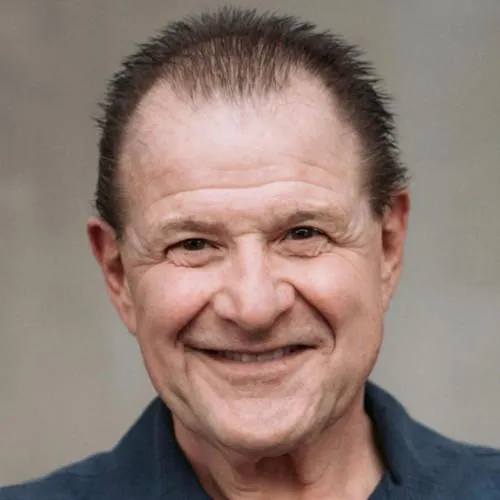
Mark Head
President
With 4 decades of combined experience in employee benefits consulting, wellness and health management, Head brings a unique combination of dynamic perspectives into a clear vision of where the future of health care is moving - and it's moving towards deeper human connection, awareness, and engagement...
Follow Us On
© 2025-2026 Benefit Personas, LLC. All Rights Reserved.