
The Human View™ Blog

The Heart of the Matter
Stress rarely shows up as a line item on a claims report. It shows up as something else: high blood pressure, a cardiac event, a prescription that doesn’t work as expected, an absence nobody coded.
Half of U.S. and Canadian employees say they experienced a lot of stress the previous day, the highest of any region Gallup tracks. Managers report more of it than the people they manage.
That isn’t only a morale statistic. It spills into the cardiovascular domain, as well.
Where stress meets the heart
The INTERHEART study compared nearly 30,000 people across 52 countries and found that psychosocial factors, stress and depression among them, accounted for about a third of the population-attributable risk of a first heart attack. The American Heart Association has since noted that the risk tied to poor psychological health is comparable to that of hypertension, diabetes, and smoking.
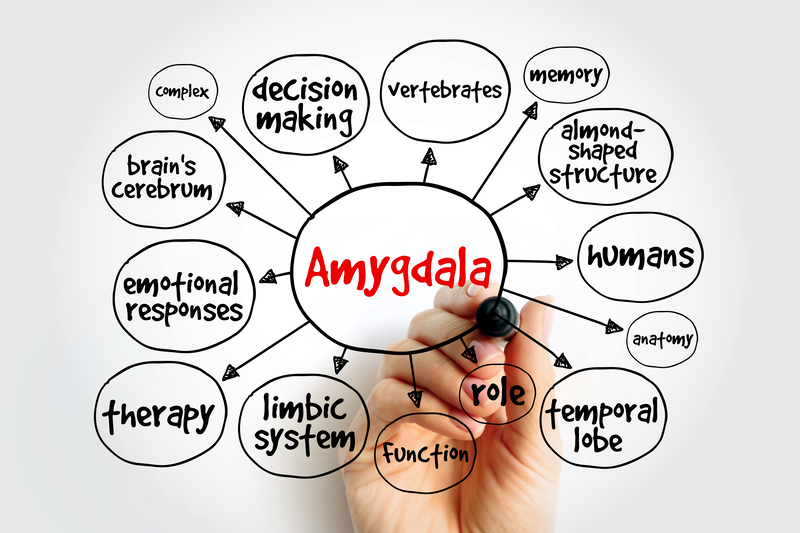
A 2017 study in The Lancet traced one likely pathway. Higher stress-related activity in the brain’s amygdala predicted later cardiovascular events, apparently by way of bone marrow activity and arterial inflammation.
Cardiovascular disease remains the nation’s leading cause of death, at an estimated $414.7 billion a year in direct and indirect costs. And 87% of employer leaders in a national survey said they believe the indirect costs of unmanaged heart disease exceed the direct claims.
A crowded waiting room
Stress rarely acts alone. It travels with poor sleep, weight gain, rising blood pressure, and rising blood sugar: the cluster the AHA now calls cardiovascular-kidney-metabolic (CKM) syndrome.
Almost 90% of U.S. adults meet the criteria for at least its earliest stage, and about 15% are in its advanced stages. In population terms, the “healthy” employee is the exception.
One gene, two prescriptions
Pharmacogenomics adds a twist. Up to 30% of Americans, and as many as 60% of people with Asian ancestry, carry genetic variants that blunt Plavix, a common "blood thinner" drug prescribed after a heart attack or stent to reduce the likelihood of clotting. This past May, UF Health researchers, writing in the Journal of the American Heart Association, called for "genotyping before prescribing" to become the standard. Genetic tests are typically done just once.

The same gene helps metabolize several SSRI antidepressants, including citalopram, escitalopram, and sertraline, where clinical guidelines already support genotype-informed dosing. One test can inform how a member’s heart medication and stress-related medication are likely to work.
Seeing risk sooner
Cardio Diagnostics (cdio.ai) works on the front end of the issue. Its AI-driven blood tests read epigenetic and genetic markers. Epi+Gen CHD estimates three-year risk of a coronary event, including heart attack. PrecisionCHD helps detect existing coronary heart disease. Because epigenetic markers reflect how lifestyle and environment act on the genome, they capture information a family history can’t.
For employers, several features matter. The tests don't require fasting and can be done at on-site or near-site clinics, or even at screening events. Importantly, the company’s HeartRisk platform aggregates de-identified results into workforce-level risk insights, showing where cardiovascular risk is concentrated without exposing any individual’s result.

The field
The HeartMath Institute studies stress through the heart’s rhythms. Its researchers report that the heart generates the body’s strongest electromagnetic field. The electrical component is about 60 times greater in amplitude than the brain’s, and the magnetic component roughly 5,000 times stronger, detectable several feet from the body. They also report that the field’s rhythm shifts with emotional state.
How far that field’s influence extends between people is still debated. The narrower point holds: stress isn’t only in the head. It’s measurable in the heart.
A heart-felt sense of purpose
Which brings the conversation back to work. If managers carry the most daily stress, they also shape the conditions everyone else works in.
That’s where “heart-centered leadership” and a heart-felt sense of purpose stop sounding soft. If stress is a cardiovascular risk factor, then how people are led, and whether they believe their work means something, belong in the risk profile too.
Don Henley wrote a song with this post’s title. He admits needing to relearn much of what he thought he’d figured out, and discovers that "The Heart of the Matter" comes down to an unexpected answer: forgiveness.

That may be the right posture for the benefits industry as well. Less certainty that we already know where heart disease comes from. More willingness to look upstream of the claims.
The last question
What would change if heart health and heart-felt purpose were treated as parts of the same conversation?
~ Mark Head
© 2026. All Rights Reserved.


Mark Head
President
With 4 decades of combined experience in employee benefits consulting, wellness and health management, Head brings a unique combination of dynamic perspectives into a clear vision of where the future of health care is moving - and it's moving towards deeper human connection, awareness, and engagement...
Follow Us On
© 2025-2026 Benefit Personas, LLC. All Rights Reserved.