
The Human View™ Blog

The Foundation Under the Foundation
Some years back, I ran across a clever meme of Maslow's pyramid. The original hierarchy, of course, has physiological needs at the bottom and self-actualization at the top. But this graphic had a hand-drawn tier scrawled underneath the whole thing in red marker: Wi-Fi.
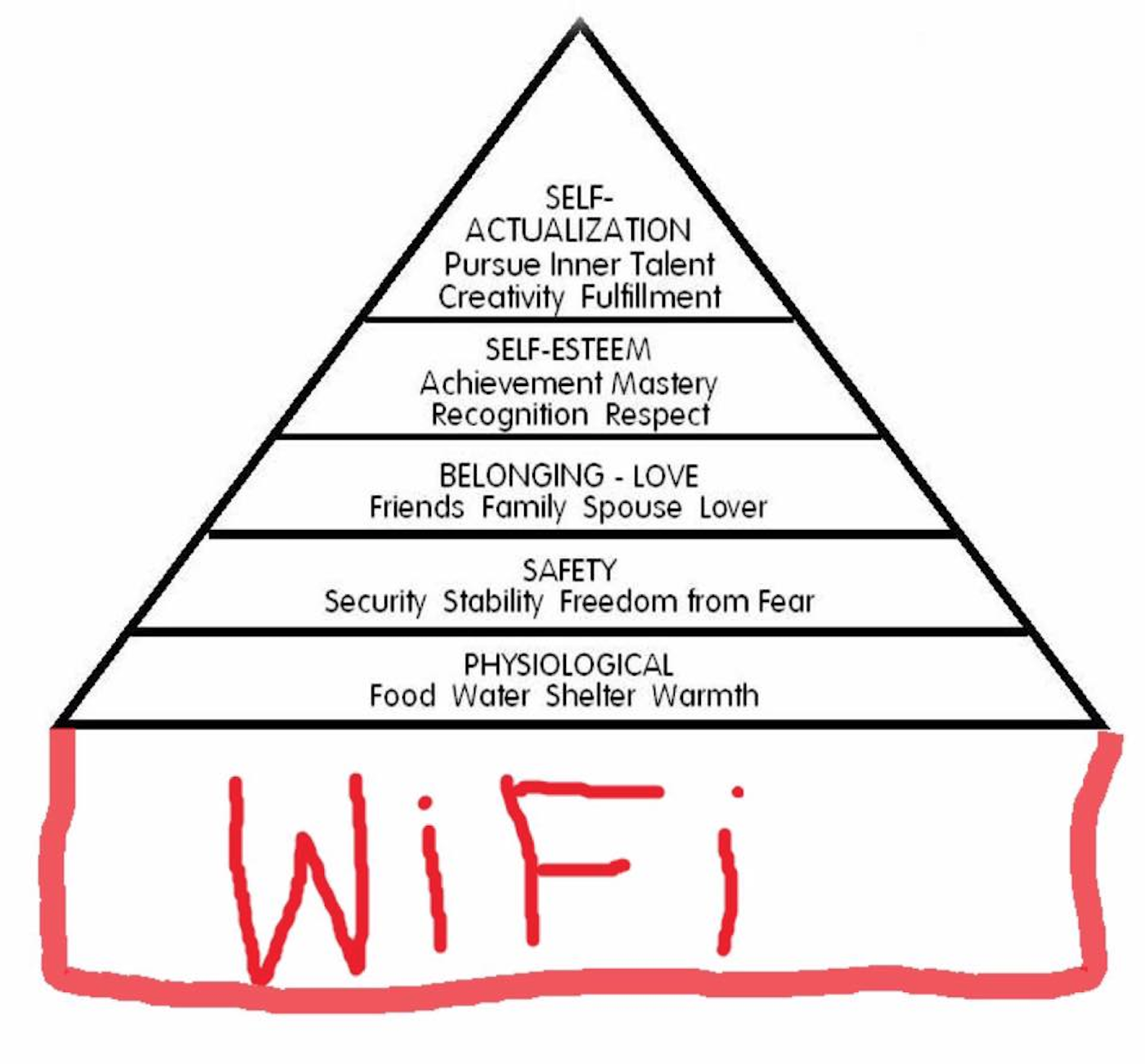
It’s funny because it’s nearly true. Connectivity has worked its way into every level of that structure: how we eat, how we stay safe, how we belong, how we earn, how we find meaning.
But there is a layer beneath even that one. It predates the pyramid by a few thousand years, and it has no wires.
Truth. Trust. Honor. Justice. Fairness. Egalitarianism. Compassion. Empathy. Love.
Morals. Values. World Views. Aspects of Societal Coherence. Aspirational Character Traits.
Emanating from the core
There are books upon books upon dissertations upon anecdotes and upon essays that explore how companies and societies function - or dysfunction. How do organizations and societies hold together? And how do they fall apart? There are technical post-mortems that name strategy, or timing, or a market that turned. The truer account usually starts lower down.
Trust is no mere sentiment. It requires long adherence to truth-telling, honesty and follow-through. Nobody trusts a liar. And nobody can sustain trust in someone who violates the very things that justify that trust.
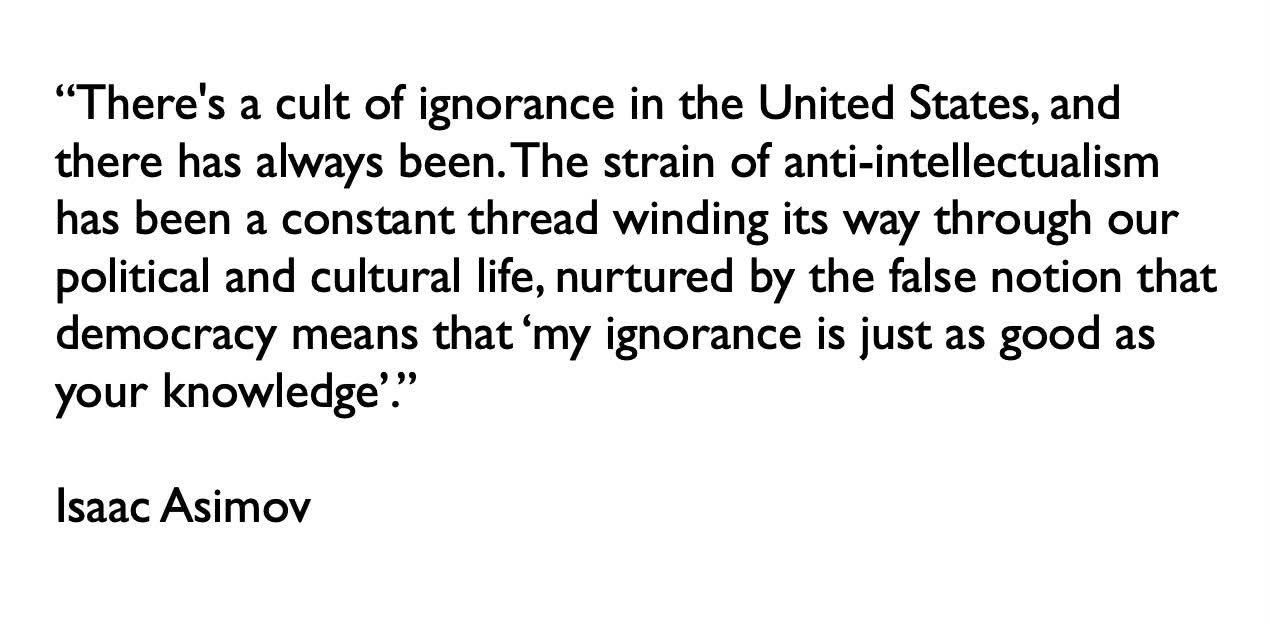
Fairness is not idealism. It is the quiet arithmetic of who stays. People withdraw from systems they read as rigged, often long before they resign.
Empathy is not weakness. It is a leader’s most reliable instrument for learning what is actually happening, rather than what is convenient to hear.
Remove any one of them and the others begin to give.
Attacking core values is utter cowardice
It seems these days, however, that these values are being literally assaulted, recast as liabilities. Empathy as naïveté. Trust as Pollyanish. Compassion as the mark of the unserious. The reframing is not accidental, and it is not drifting up from the margins — some of its loudest sources are people of considerable power and position.
Ken Wilber's Integral Theory includes the idea of "lines and levels of development." A Hitler, for example, likely had a very high level of intellectual development, but a very low level of moral development. Intelligence and decency are not the same faculty, and they do not develop in step.
A person can be formidable along one line — the analytical, the technical — and barely developed along the lines that govern how they treat another human being. A culture that mistakes the first for the second will keep handing power to the baser hands and lauding it as strength.
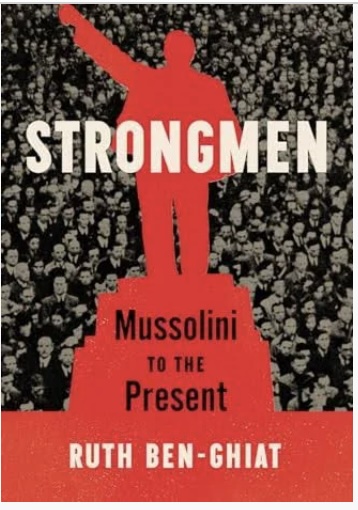
Ruth Ben-Ghiat's book, Strongmen: Mussolini to the Present makes a nigh-on irrefutable argument that so-called strongmen are actually exceedingly weak, and ultimately collapse into the morass of their own perfidy.
Societal culture inevitably permeates the workplace
No organization is sealed off from the air around it. When the surrounding culture treats these values as expendable — persistently, and from high places — it lowers the cost of treating them as expendable inside companies. We've seen the ebbs and flows of this throughout history, but only around the 17th century did the formal term "kakistocracy" emerge. It derives from two Greek words, kákistos (κάκιστος, 'worst') and krátos (κράτος, 'rule'), together meaning 'government by the worst people'.
And, in far too many companies these days, it seems impossible for somebody to rise to the level of CEO if they're actually committed to the core values noted above. Much to our shame and detriment.
The social contract that makes shared effort worth the trouble is not self-sustaining. Left untended, it does not hold its shape. It erodes.
Going all in on the "humanarchy"
The premise of Tim Sanders' Love is the Killer App is simple and compelling: professional success and influence come from radical generosity, compassion, and sharing knowledge rather than ruthless competition.
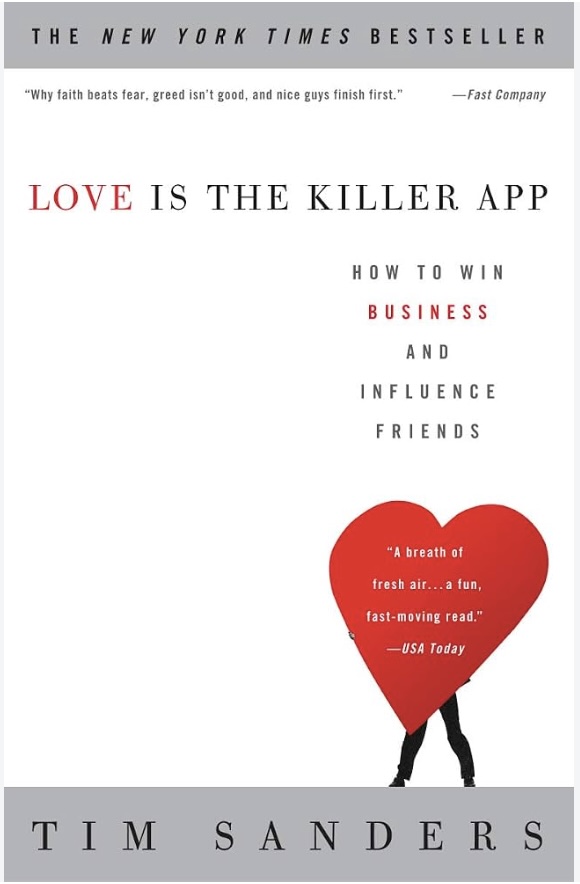
He argued that modern professionals should become "lovecats"—people who intelligently share their intangibles to help others succeed. He defines "love" in a business context as the selfless promotion of the growth of others.
I say love is what moves us beyond the patriarchy. Nor does it regress us into a matriarchy. It evolves us towards a "humanarchy."
The last word
The organizations that remain intact and grow through periods like this will not be content to "ostrichsize." They are the ones that will keep truth, fairness, and — the word that now draws a smirk in certain rooms - love - operational when markets seem to argue against it.
To treat core, foundational values as optional is not sophistication. It is a wager against several thousand years of accumulated evidence about what lets human beings work, live, grow, and thrive alongside one another.
We place that wager at our peril.
~ Mark Head
© 2026. All Rights Reserved.
Aspirations
"Ideals are like stars; you will not succeed in touching them with your hands. But like the seafaring man on a desert of water, you choose them as your guides and, following them, you reach your longed-for destiny."
~ Carl Schurz
Mark Head
President
With 4 decades of combined experience in employee benefits consulting, wellness and health management, Head brings a unique combination of dynamic perspectives into a clear vision of where the future of health care is moving - and it's moving towards deeper human connection, awareness, and engagement...
Follow Us On
© 2025-2026 Benefit Personas, LLC. All Rights Reserved.